
Is walking comfortable for you? Easy? Enjoyable? Or do you only walk to count your steps?
It is an everyday movement that has been with most of us since babyhood and which has so many possibilities. It can be…
Transport
Social connection
Mindfulness
A facilitator of difficult conversations
A route to the outside to see nature, new places and the sky
A de-stress routine for feeling your body more and attending to your mind less
But, if you are held back by pain and injury, how can you reclaim your feet and your joy of walking?
I have been listening to Dr Courtney Conley – an expert in gait mechanics and improving foot and ankle health – who knows how.
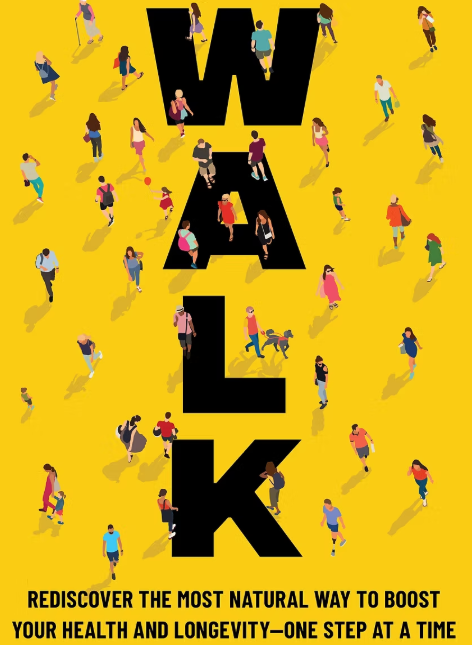
She was sharing ideas from her book WALK
Due to be published in May 2026
FOOT PAIN IS COMMON
AFFECTING MOBILITY & QUALITY OF LIFE
Pain is very common, reported by 34% of the population and the reason for up to 50% of GP consultations.
Feet are one of the most common sites of pain quoted, affecting around one quarter to one third of adults over the age of 45. Problems with feet pain and mobility are intimately connected with difficulties elsewhere up the chain. The knee can be a frequent related ‘victim’ joint as can the low back.
Long term foot pain can impact on:
quality of life
walking and gait issues
balance and risk of falls
capacity for everyday activities such as managing stairs, rising from a chair or the floor and carrying household items
FEET RESPOND QUICKLY
TO ATTENTION & TRAINING
There are many different contributing factors to pain. Some are not modifiable – age, sex, genetics, history.
Other factors can be modified by the individual to make a difference. Movement is one of them.
Within rehab, Dr Conley believes feet are most often neglected. For most of us, I would guess that intentional movement of our feet is not on our radar.
Luckily, feet react quickly to attention and retraining. They build back noticeable resilience soon after starting. Feet are also a great place to start increasing movement even when someone is bedbound.
Taking more care of the feet can have benefits for whole body fitness, agility, strength and pain relief.
QUICK CHECK – IS MY FOOT HEALTHY?
WHAT TO DO?
This is a snapshot, looking at a few indicators of foot health. They can tell you where to focus your efforts. If you’re disappointed by what you find, start to address each one of these gradually. Consistency trumps heroic efforts or self-induced pain!
Do all these checks standing barefoot on a flat surface.
1. FOOT SHAPE
Take a look at each foot. Which is the widest part – ball of the foot, tips of toes or something else? Ideally your toes can spread and will be the widest part.
This lets all the muscles between the toes have enough freedom to do their work.
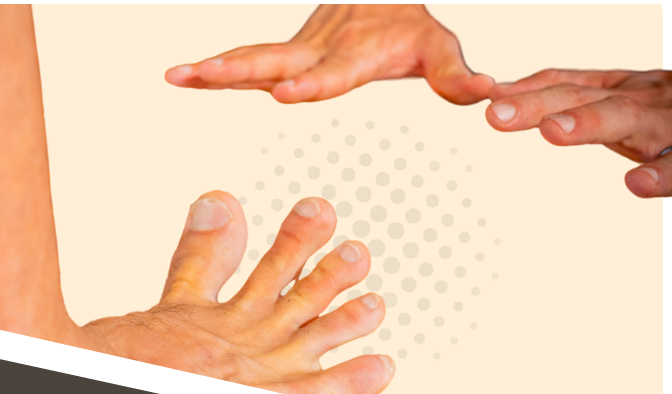
Can your toes splay wide?
Are the tips of the toes the widest part of your foot?
2. BIG TOE MOVEMENT
Can you lift your big toe independently, bending it upward at the chunky ‘knuckle’ joint. If not, can you move the big toe up with the help of your fingers? Ideally you can do this movement with your muscles only and you will reach around 60 degrees of extension at this joint.
This allows for an effective push-off phase during walking and saves yourself from compensations higher up. As lack of movement in one place has to be picked up elsewhere.
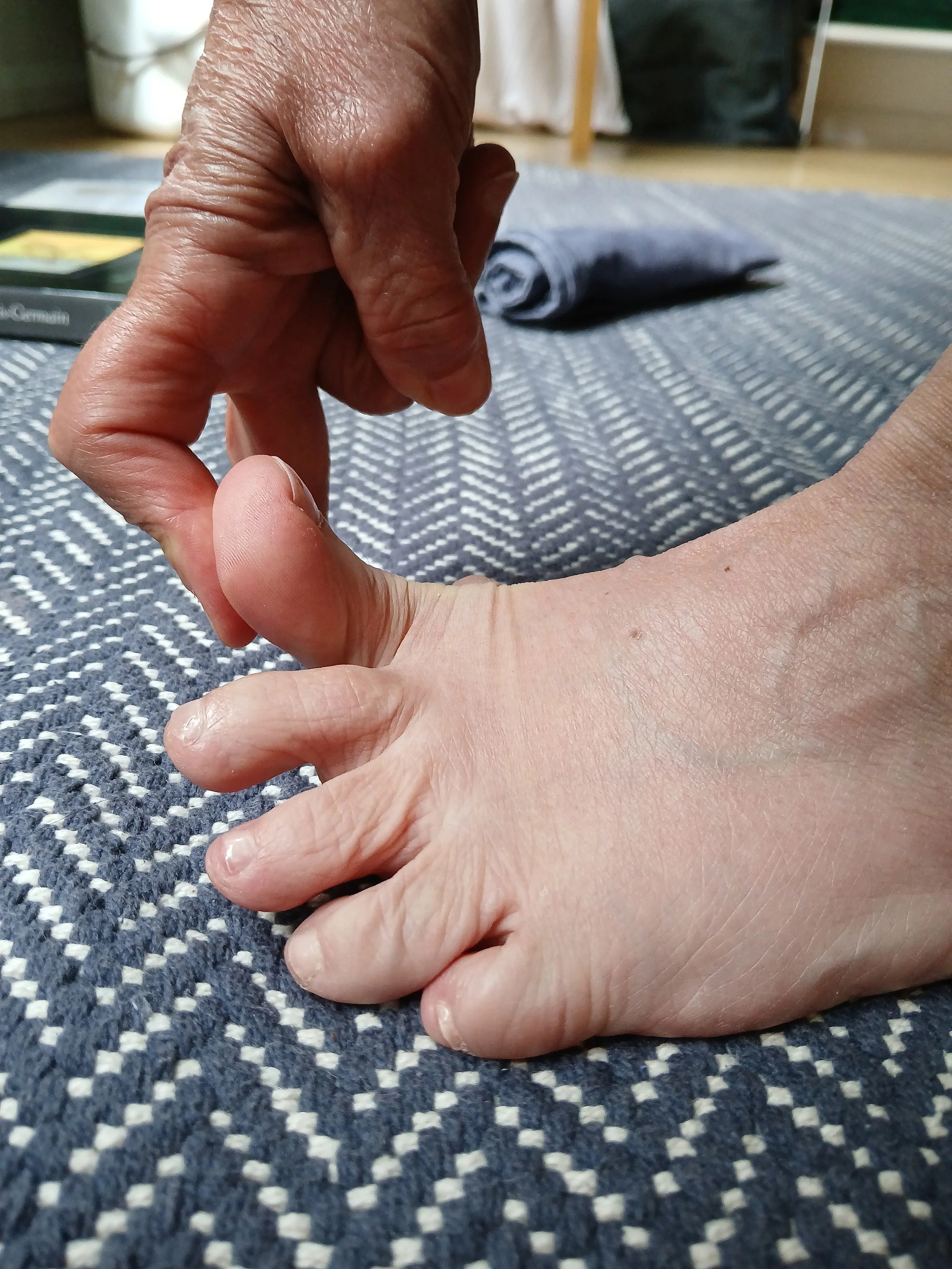
Big toe mobility
Do you have 60 degrees of extension at this joint? Hopefully you can do a bit better than me here…
3. SINGLE LEG CALF RAISE
With a hand on the wall for support if needed, stand on one leg, raise the heel so you are up on the ball of that foot. Lower. Aim for quality – height of heel raise, absence of wobbles, smooth vertical ascent of the heel. If this is tricky, start off with a two-legged calf raise, then move to the single leg. Once the quality is good, aim to do several of these on a 60 beats per minute tempo.
You’ll get a powerful walk and helpful assistance to your overall cardiovascular system.
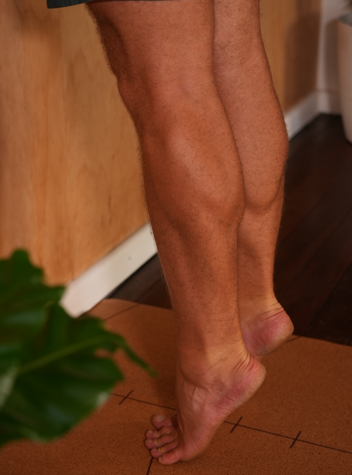
A calf raise with quality
Start with two legs, move onto one, then build endurance
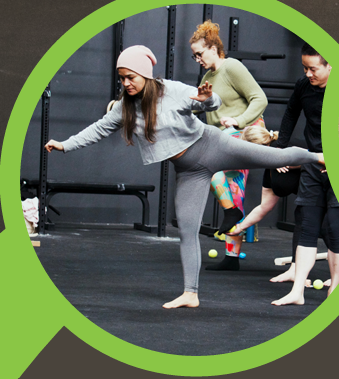
4. SINGLE LEG BALANCE TEST
Start with a hand on the wall for support. Can you stand steady and calm, with smooth breathing, on one leg for 60 or 120 seconds? Reduce support on the wall over time.
Better balance improves your agility and responsiveness, saving yourself from trips and falls.
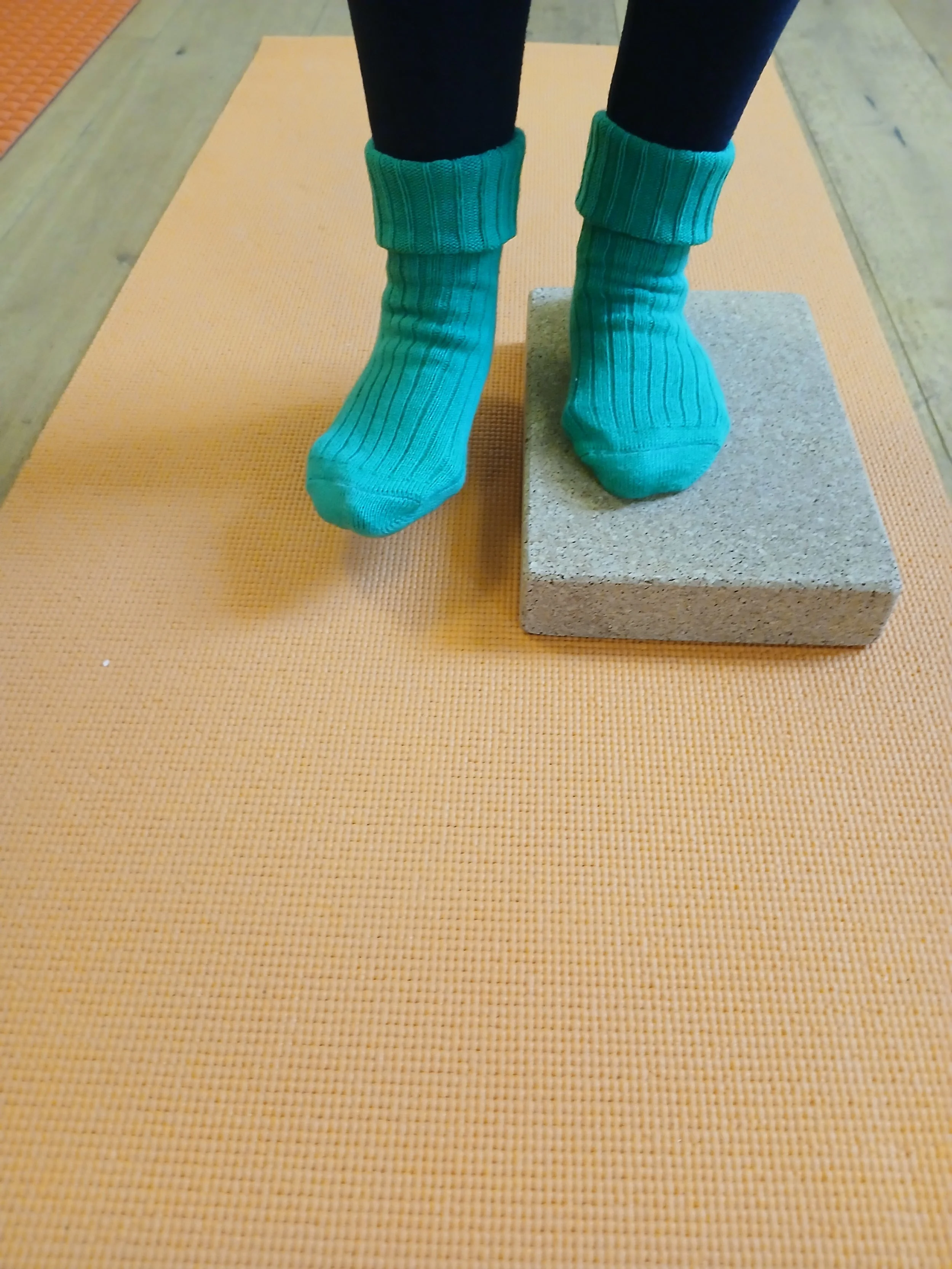
Balance on one leg
Feel your feet. Feel where the weight drops down to the floor. Soften your face. Gaze into the mid distance. Breathe softly.
Now, you can settle into your balance practice.
General principles to remember are that you are aiming to:
increase range of motion within all the 33 joints of each foot
increase neuro-muscular control of joints – for joint stabilisation & skilful movement
boost sensory nerve fibre formation (which dulls after age 50) – by exposing feet to textures, pressures, sensation and movements
THE WELL BEING BOON
FROM WALKING MORE
As pain dissipates, as strength and balance return… walking more will become more attractive and possible.
Can you forget to count steps and instead focus on the feeling?
Think of walking loosely, softly, rolling the earth away behind you. Chest tall, with an imaginary cape flowing down your back…
The rhythm conveys a state of calm to your nervous system. You settle into a smooth, efficient, economical, sustainable movement pattern. Your lymphatic system and cardiac system enjoy the steady stimulation.
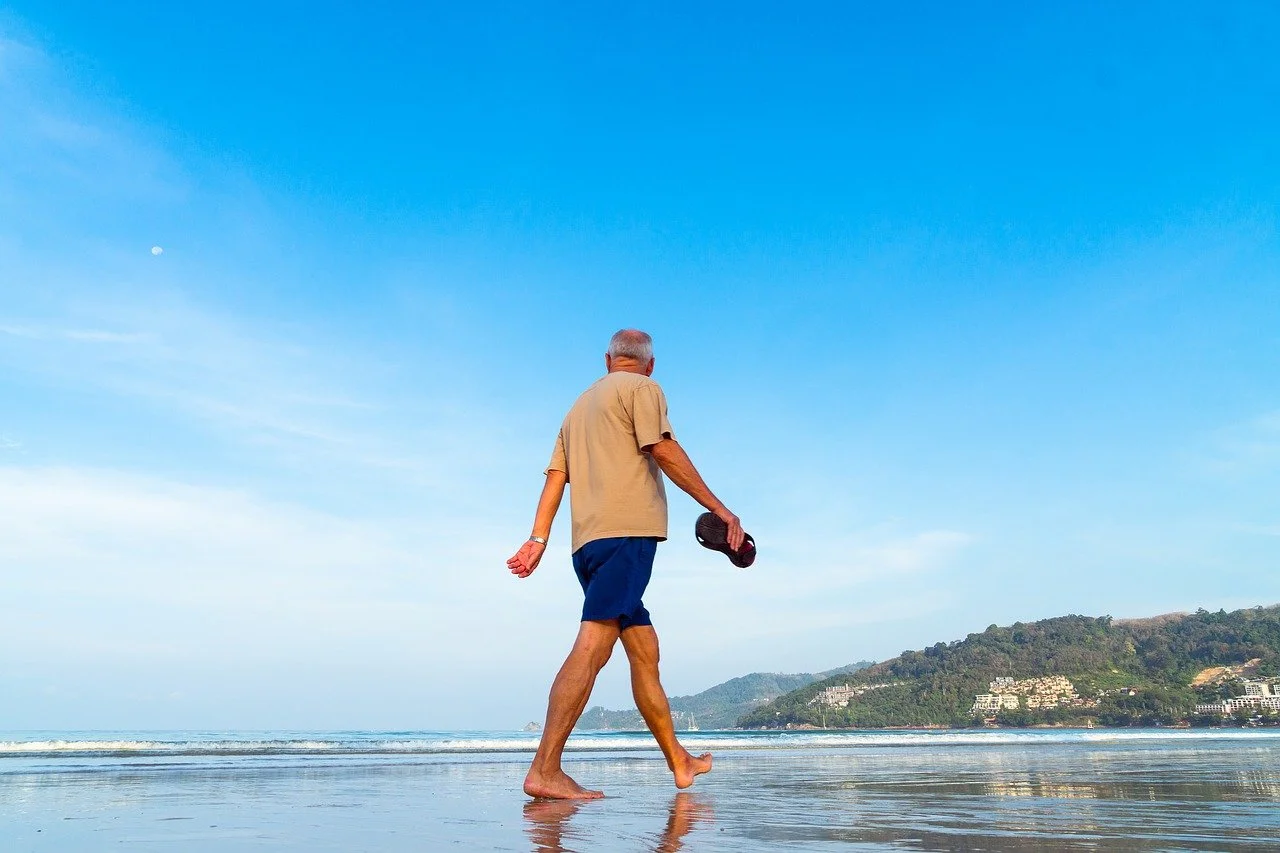
FOOTWEAR CHOICES
USING ALL YOUR HOURS WEARING SHOES WISELY
Fashionable footwear often does not respect the needs of our anatomy. But that may be all we have ever known if we get our shoes from mainstream brands.
Doing something different can be daunting, but there is a framework for choosing better if you need to improve pain or function for your feet (alongside the mobility work). It is worth doing as there are studies showing that ‘minimalist shoes’ improve foot strength within 3 months.
BUT, it can be wisest to start slowly and transition with care as you build up your foot capacity or if you are in a lot of pain. Here are the features to look for, with guidance about implementing them.
1. FOOT SHAPED
You can start with this right away and your feet will thank you.
Wide toe box, allows toe splay, avoids cramping & restricting your foot’s natural shape
Shoes with only this feature are sometimes called “functional” or “recovery” shoes. They can be a halfway house option before you look at features 2 and 3. They will likely have a more mainstream amount of cushioning, heel-toe drop & toe spring than would fully ‘minimalist’ shoes.
Brands making some of these include:
Altra – some, use the filter for foot shaped
Topo Athletic – some, use the filter to choose 0, 3 or 5 mm drop
Bahe – they have 3 different modes
Belenka – recovery shoes
Lems – some
2. FLAT or ZERO DROP
Work towards these over time. Initially, while transitioning, aim for around a 6mm drop especially if you have ongoing heel or Achilles problems, or are used to wearing high heels. You can reduce the height of the drop over time to be closer towards zero.
Flat = the heel of the shoe is at same level as its toe
The level inside the shoe, the ‘platform’ for your foot (insole), is the relevant part. External decorations on the shoe can mislead you about its level of drop
This flat base avoids adding excess load and pressure to the ball of the foot and joints of the toes
3. THIN FLEXIBLE SOLE
Transition time may be needed, especially if you are used to thick cushioning.
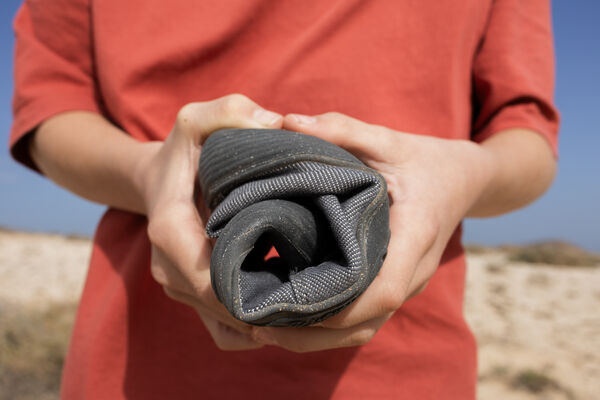
A flexible sole allows for your foot to feel and sense details of the ground beneath
Enables the foot to function as intended, as a sensory organ
Fosters better balance and reduced injuries and pains up the chain
MINIMALIST, BAREFOOT SHOES
Shoes with all three of these features are known as ‘minimalist’ or ‘barefoot’ shoes.
The number of brands offering these is growing rapidly, at all price points, from many countries, using different materials, to different quality levels. They include:
Vivo Barefoot
Freet, a Yorkshire company
Belenka
Xero
SOURCE
‘Feel Better, Live More’ podcast from Dr Rangan Chatterjee (Episode 629)