All of these situations can benefit hugely from balance training. Read on to put together your own DIY programme.
Or come to a workshop or one to one for more direction.
Three different senses feed into our balancing skills
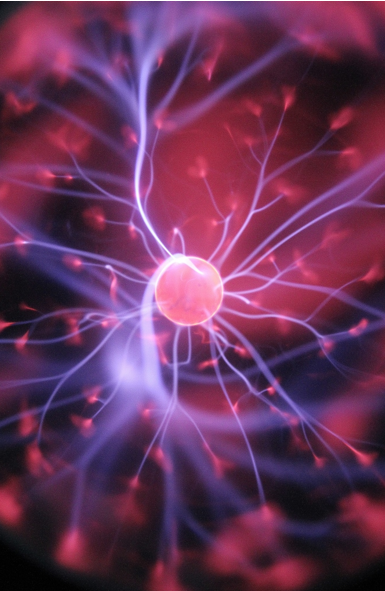
Our balance is choreographed by our brain, depending on the information provided to it by three senses. Your brain is constantly switching the priority it gives to each of the 3 senses. They can each be trained and if one is struggling the others can compensate to a degree.
As we usually use our feet to move over the ground, an important source is the sensations coming in from the soles of our feet and from the joints of toes, feet and ankles.
Vision plays a large role for most of us, mainly peripheral vision scanning the surroundings, looking out for clues to our orientation and picking up anything unexpected that needs our reaction
Vestibular system of the inner ear, where movement of fluid within 3 semi-circular canals provides ongoing feedback about the direction and movements of the head
We can start with priming the sensory and movement apparatus closest to the ground – the feet and ankles.
Movement as medicine for sore feet
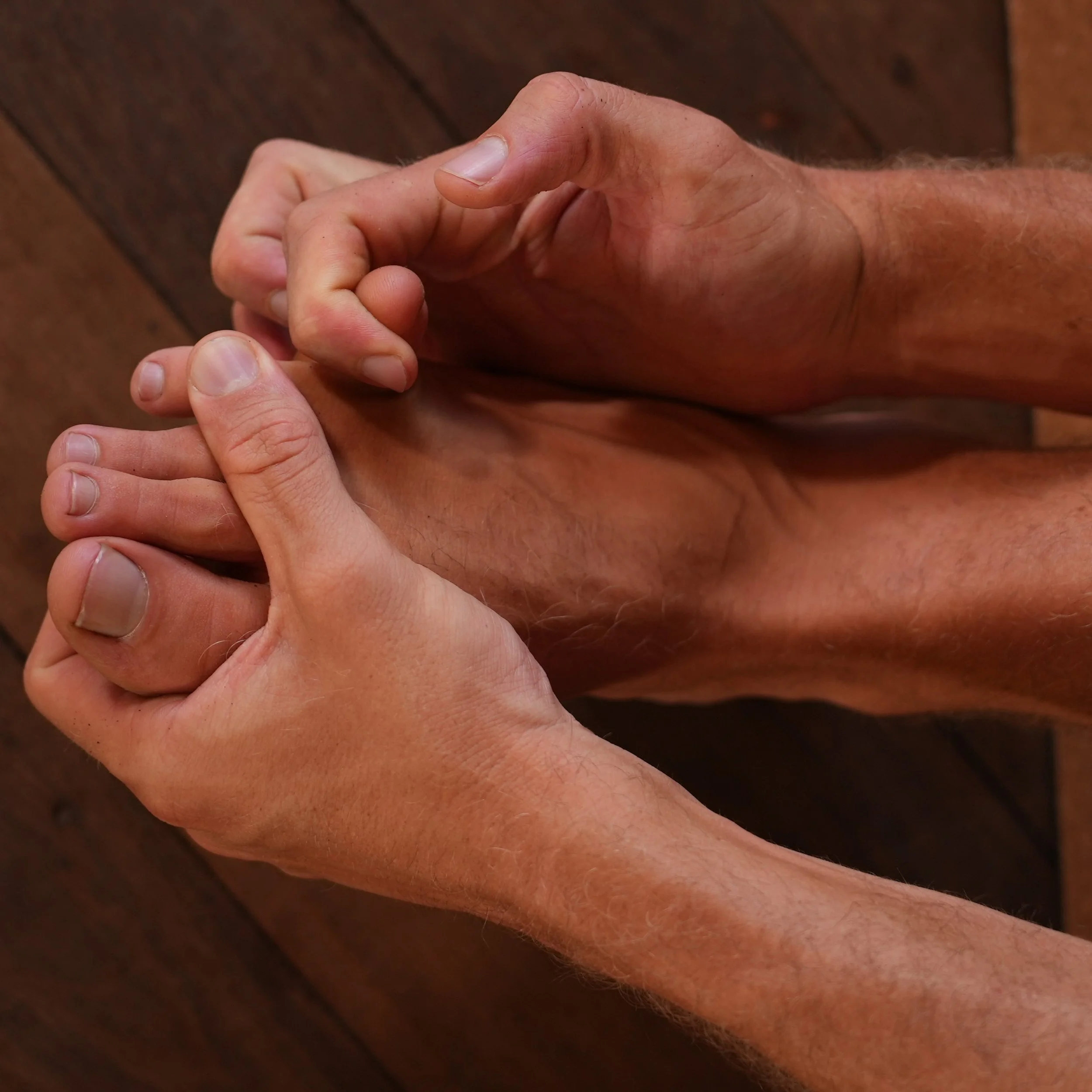
Sore feet are often stiff weak feet, underused and missing out on a daily input of movement variety. They may not be able to contribute effectively to sound balance and co-ordination.
In the short term, bolstering painful feet with rigid shoes or orthotics can make sense. Just as we would splint a fractured leg while it heals. What happens after the plaster cast or orthotic comes off determines longer term wellbeing and healthy functioning.
Feet don’t often feature in a fitness or health regime. But a little attention given to exercises to restore foot muscle strength and jont mobility can swiftly reduce pain and disability. Balance training and play integrates the gains and gets you ready for real life challenges.
Address leftover issues from sprained ankles
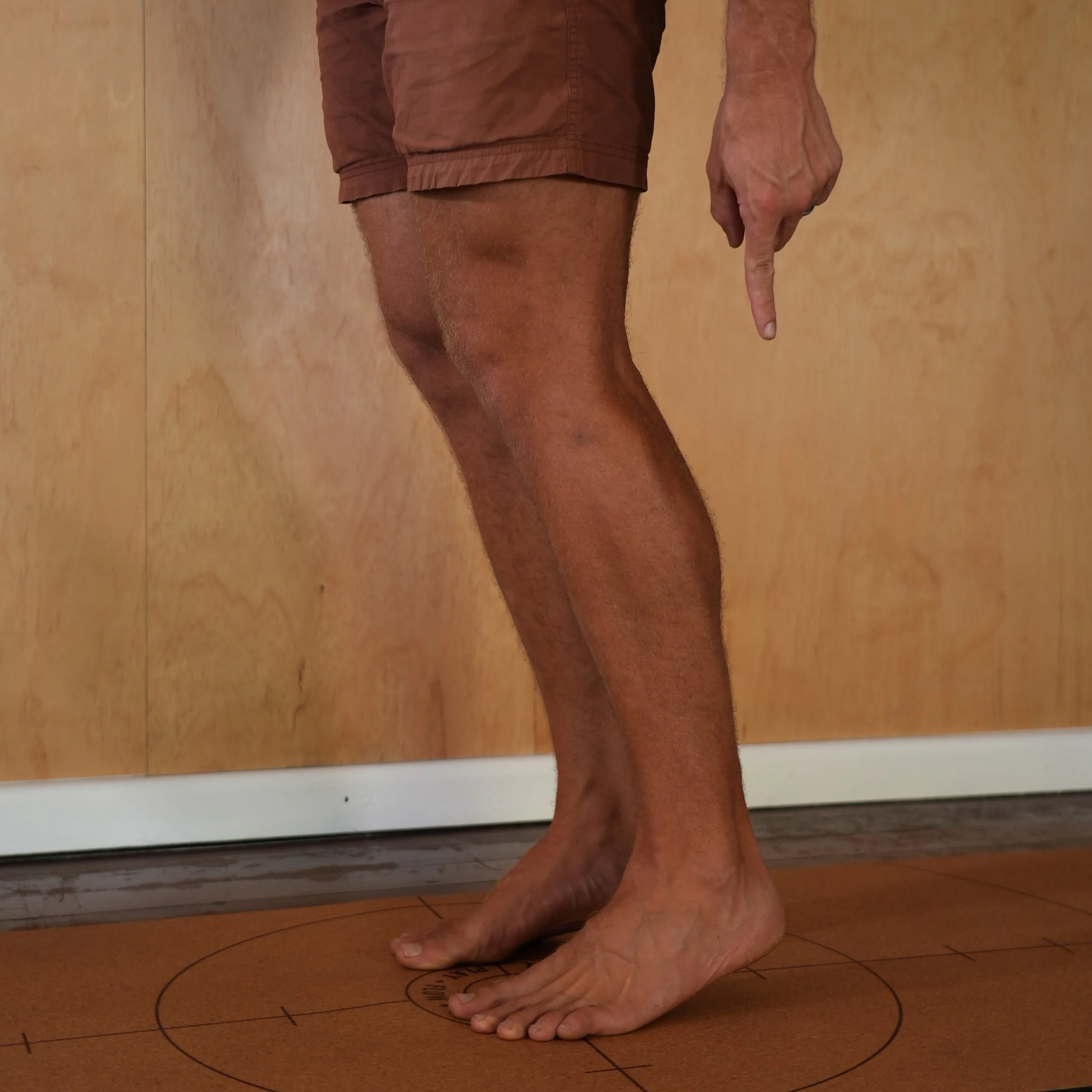
Regularly sprained ankles may have healed enough in the short term to stop hurting. But without rebuilding your mind-muscle control in this area, your brain may not have re-learnt to trust the sensory input it receives from this foot, ankle and leg. This can leave your brain with patchy body information until you can rebuild the sensory-movement cues coming in from the affected side.
Ankles help perform the micro-movements carried out when we balance, so balance is a perfect way to test and to train your ankle back to full mobility and resilience. In turn, your knees will become more resilient to injury too.
Are balance issues already shrinking your world?
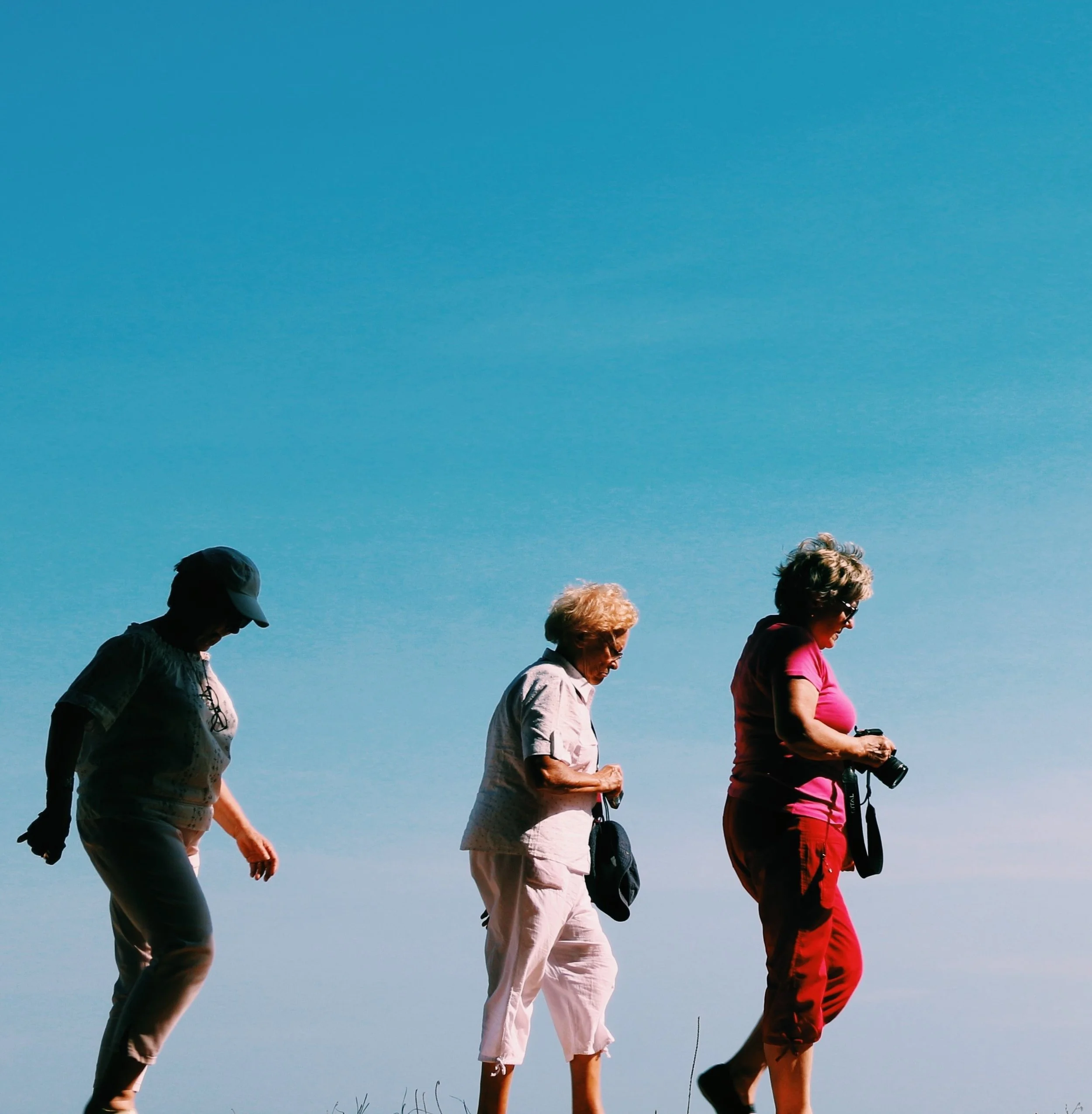
Do you feel clumsy, uncertain where you are in space? Do you have to stare at the ground to feel secure in your footing? Can you tell if you are tensed up, braced for any trips and falls that might waylay you?
It could be time to look at all the ways in which to build your balance back up again. Nifty by-products are that this will improve athleticism and power just as it aids recovery from injury.
Four types of balance - good to train them all
We all know that a sign of good balance is standing on one leg for a long time. This is called static balance. But there are other types and we only improve at the types we practise. Let’s find out what they all are, why they matter and some exercises to start with.
1/ Static balance
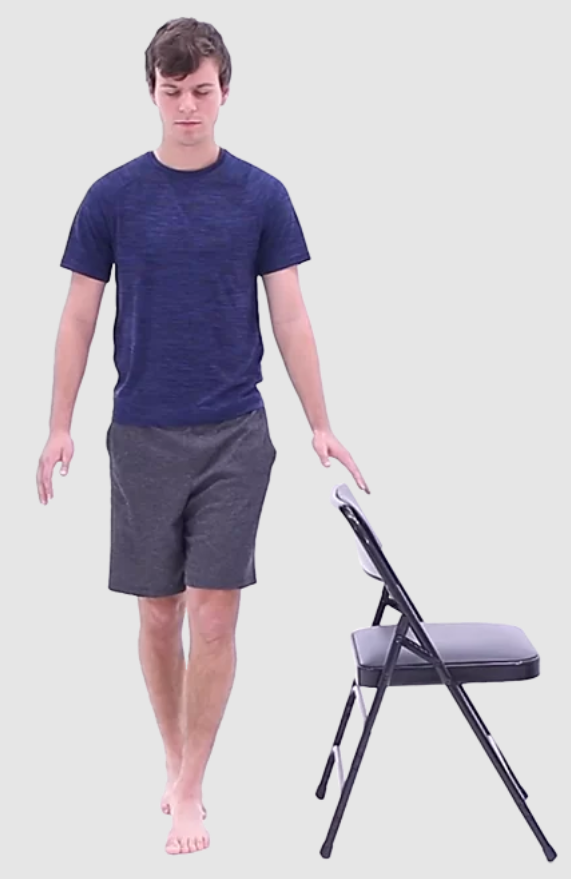
The beginnings of good balance. And works as a check-in on your state of inner calm (parasympathetic nervous system). Static balances can be a mindfulness practise if you perform them patiently at your current level, maybe with gentle music on. Adjust the support you use (holding a chair, tapping foot down occasionally) to avoid any feeling of stress or frustration.
WHAT - Holding still & steady on the spot in one position
REAL LIFE EXAMPLE – Standing on one leg as you put a sock on the other foot
AN EXERCISE – Choose stance (a), (b) or (c), eyes closed, aim to hold for 30 seconds (a) narrow = feet side by side touching (b) tandem = foot directly in front of the other, one toe touches heel in front (c) single leg
2/ Dynamic, steady state balance
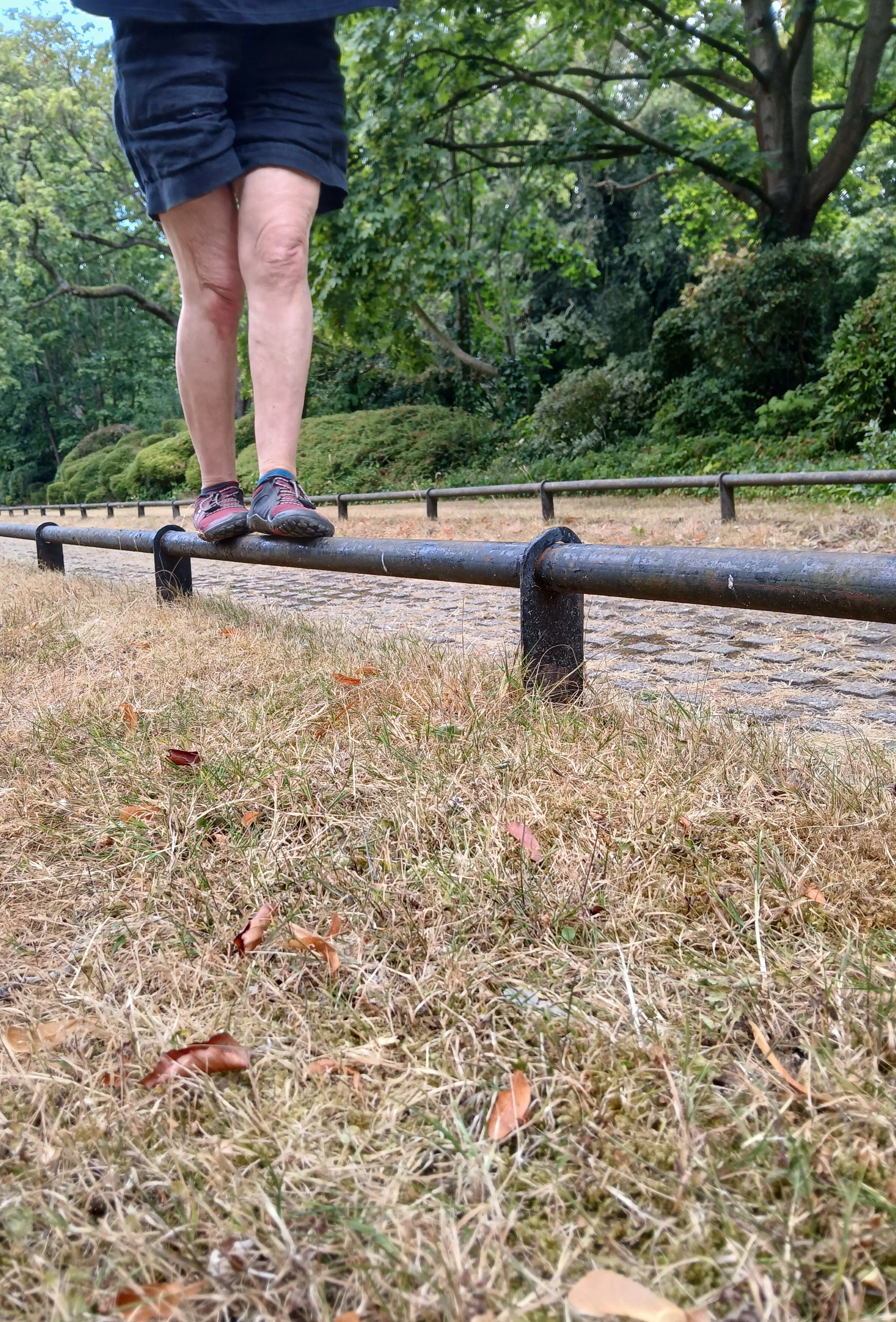
WHAT – Moving around across the ground, with control
REAL LIFE EXAMPLE – Hiking through a natural environment
AN EXERCISE – Walk heel-to-toe on a line on ground, on blocks on ground, on stepping stones, or a low wall
3/ Dynamic proactive balance
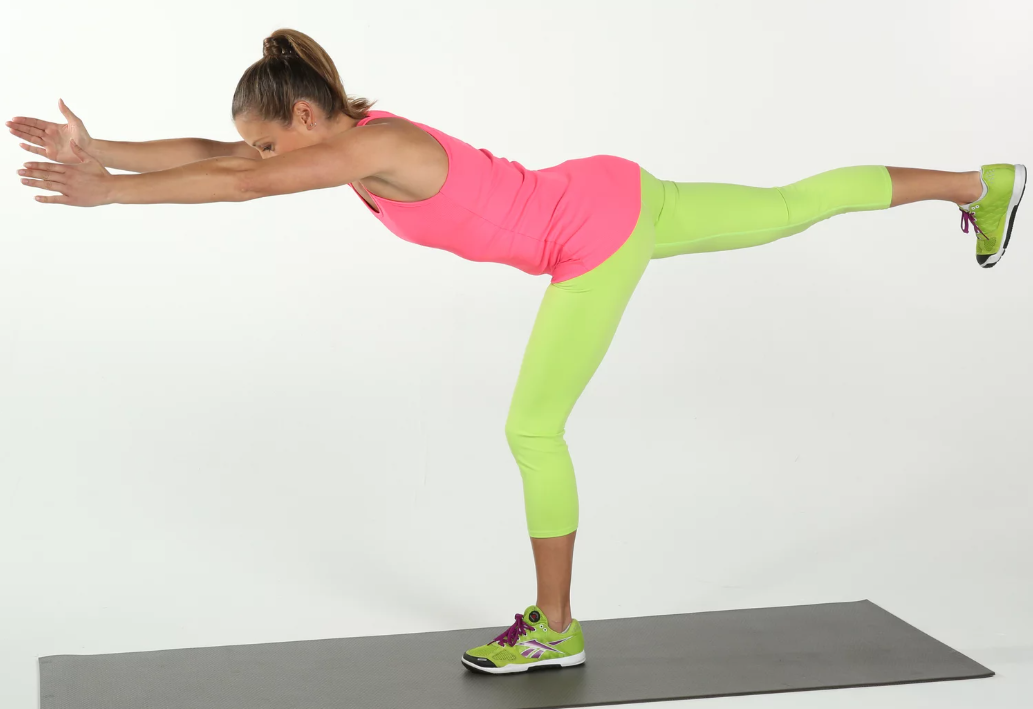
WHAT – Adjust to an obstacle or other challenge coming up ahead
FEEDFORWARD PROCESS - See obstacle > brain predicts effect > prepares your body, shifts weight, stays organised
REAL LIFE EXAMPLE – Change stride to avoid a massive puddle in the road
AN EXERCISE – Single leg balance + reach different directions
4/ Dynamic reactive balance
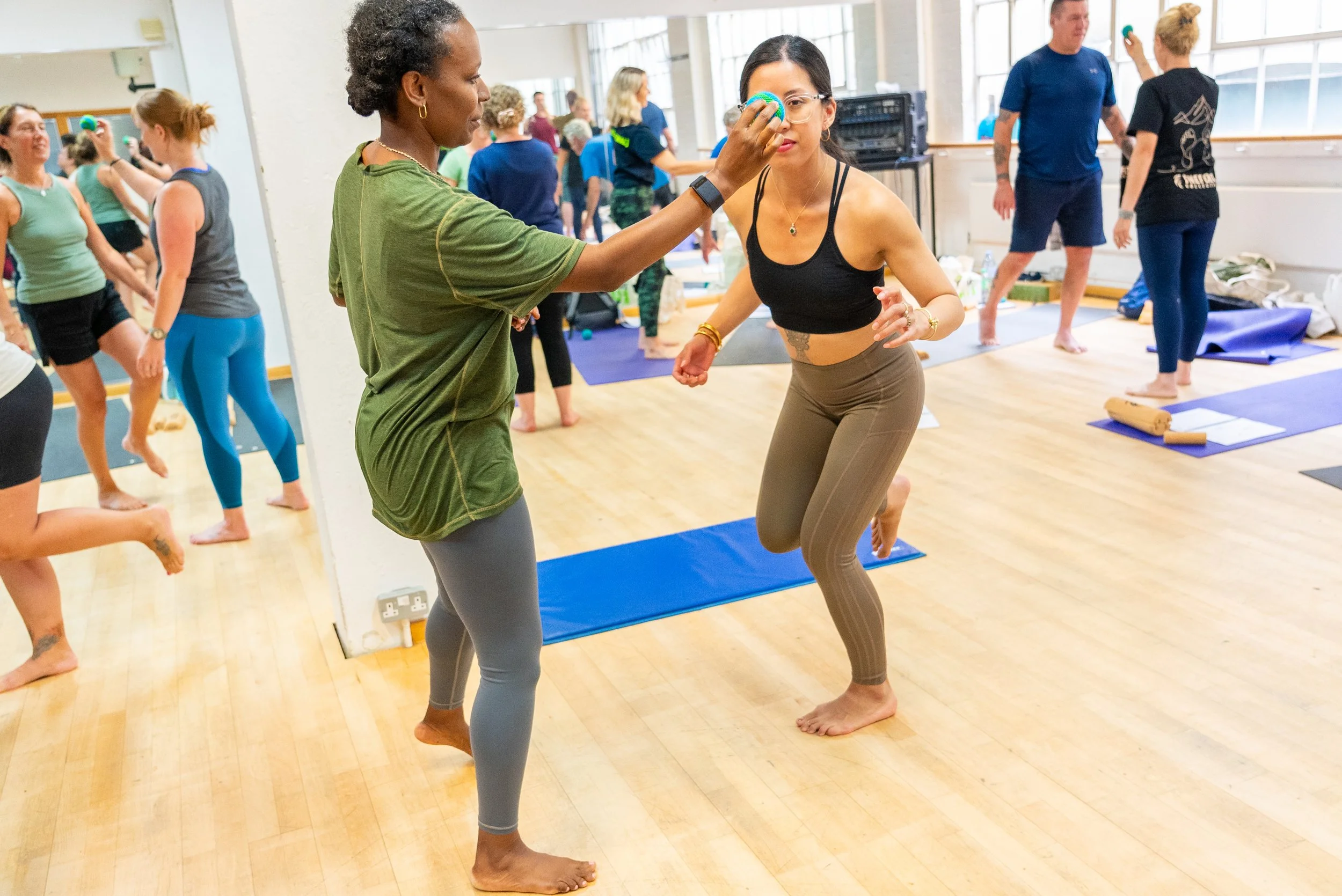
WHAT – Losing balance from an unexpected disturbance & recovering instantly
FEEDBACK PROCESS – Feet & body & eyes & vestibular sense the body drifting from the expected position > brain registers disturbance > executes body adjustments
REAL LIFE EXAMPLE – Catch your foot & trip on a broken paving slab
AN EXERCISE – Partner games with light nudges, or pulling you with a strap or band
The flow state guides your progress
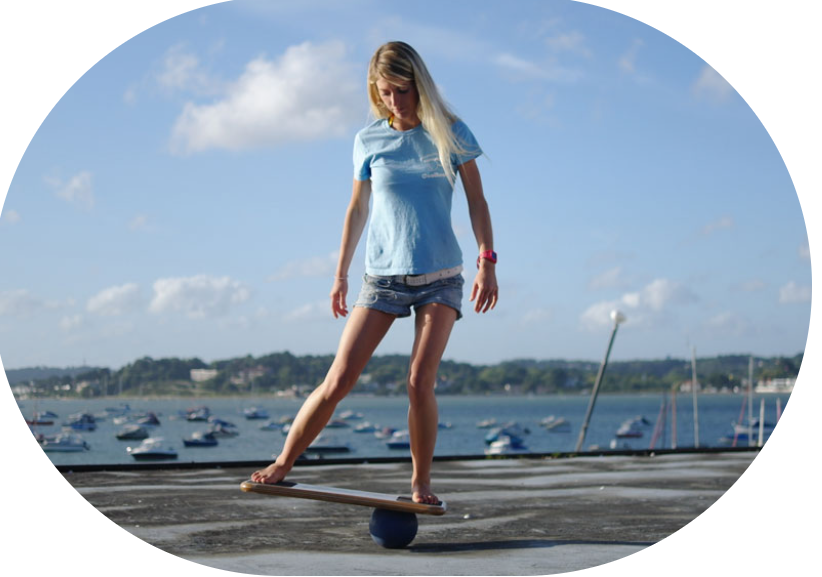
Start with something you can do comfortably. Practise it for a few minutes at a time for a few weeks. Keep tuned into how you feel. You are aiming for a flow state – not too stressfully difficult, not too boringly easy.
Remove or add some of these ‘progression elements’ to adjust your exercise accordingly. You may not feel the same each day, so calibrate accordingly.
Change the surface you are on, make it less level, less predictable, less supportive
Reduce your base of support – if you have a wide stance make it narrower, if you are on two feet move to one foot only
Add a cognitive challenge – recite times tables, recall events from the day, solve a puzzle
Add some movement with other parts of your body – reaching, throwing & catching, squatting, carrying, chopping veg…
Add a visual challenge – eyes closed, eyes moving around the room
Add a vestibular challenge – head moving in different directions
Next level → your own real life balance skills
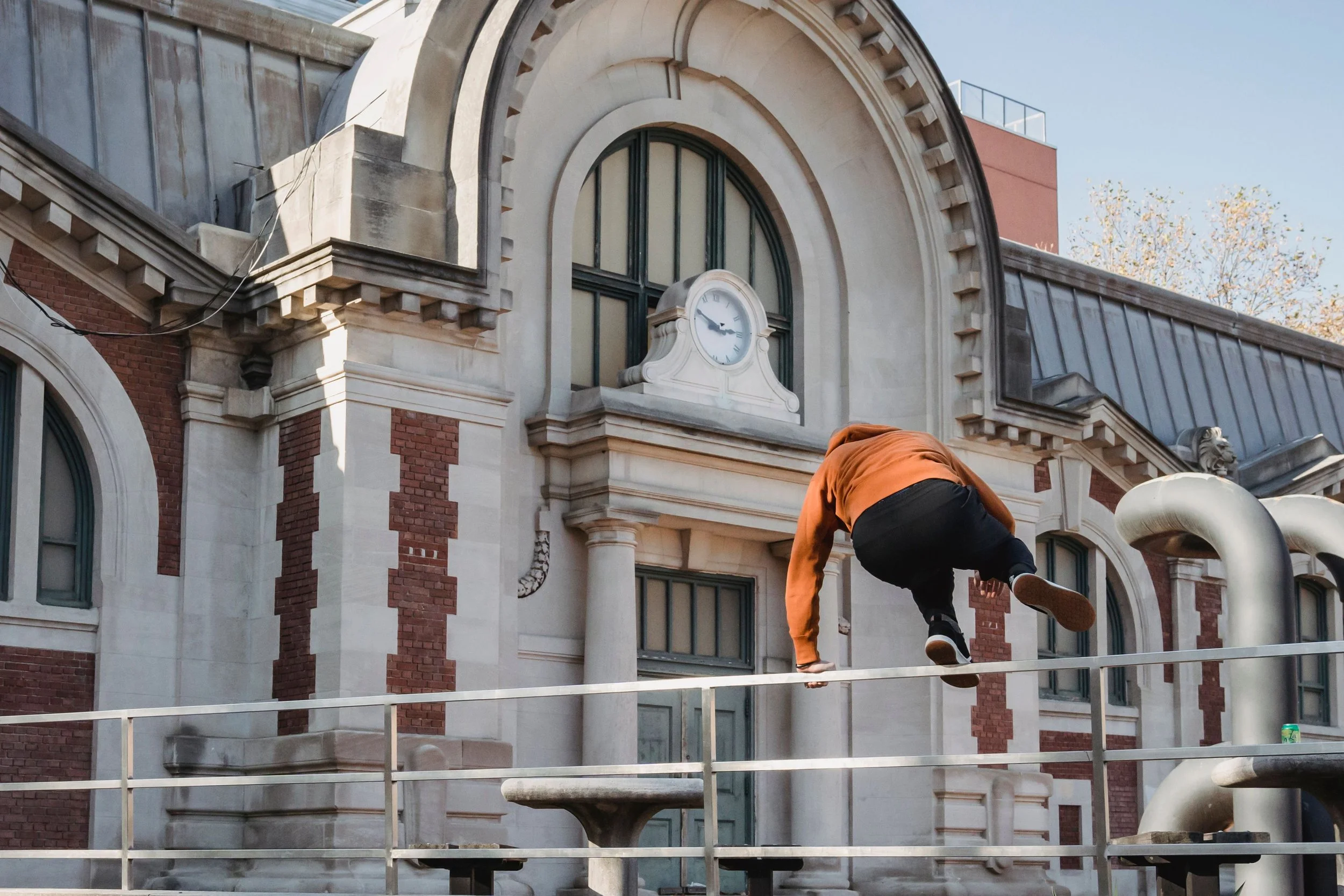
Make up your own challenges that are similar to real life situations you care about.
Think about including:
Turning
Jumping & sticking the landing
Getting up and down from the floor
Balancing on your hands